Index
1. Introduction to Web3 & NFTs in China
1–1 The Regulatory Paradox
1–2 The Intricacies of China’s NFT Market: From DDCs to Regulatory Challenges and Beyond
1–3 Terminology: DDCs and CNY
1–4 The “Untradeable” NFTs
2. China NFT Platforms Shifts, China’s Blockchain Approach, and Seamless Transactions
2–1 The Fall of Major Platforms
2–2 Features of Chinese Blockchain Regulation
2–3 The Ease of Buying and Selling
2–4 Share of Chinese Users in the Global NFT Market
2–5 The Hong Kong Advantage
3. Chinese NFT Projects
3–1 Representative NFT Projects in China
3–2 Mainland Chinese Projects
3–3 Hong Kong Projects
3–4 Overseas Projects by Chinese Founders
4. Conclusion
1. Introduction to Web3 & NFTs in China
Before diving into the landscape of web3 & NFTs in China, let’s take a look at it’s current state of web3.
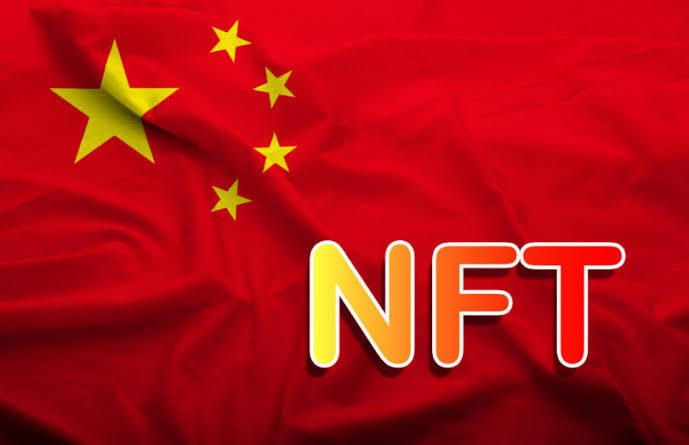
In China, the world of web3 and NFTs is a mix of opposites. While the government is excited about blockchain, the tech behind web3, it has also set up tough rules that make it hard for NFTs, or Distributed Digital Certificates, to grow. This article explores this complex landscape.
1–1 The Regulatory Paradox
- Blockchain Embrace;
China has been at the forefront of blockchain technology adoption. The government has initiated several blockchain projects, including the Blockchain Service Network (BSN), aimed at providing an infrastructure for blockchain development in the country.
- Cryptocurrency Ban;
While embracing blockchain, China has taken a hard stance against cryptocurrencies, banning all forms of trading and mining. This has created a unique situation where the technology is promoted, but the most popular application of that technology — cryptocurrencies — is prohibited.
1–2 The Intricacies of China’s NFT Market: From DDCs to Regulatory Challenges and Beyond
The NFT market in China is a landscape of contradictions, innovations, and challenges. Unlike the global NFT market, where trading and ownership are relatively straightforward, the Chinese NFT market operates under a unique set of rules and regulations. Let’s dive into the complexities of this fascinating ecosystem.
1–3 Terminology: DDCs and CNY
In China, NFTs are commonly referred to as Distributed Digital Certificates (DDCs). Unlike the global market where cryptocurrencies like Ethereum are often used for transactions, Digital certificates in China can only be purchased with the fiat currency, the Chinese Yuan (CNY).
- What Are DDCs?
In most parts of the world, the term “NFT” (Non-Fungible Token) is widely used to describe unique digital assets verified on a blockchain. However, in China, these assets are more commonly referred to as Distributed Digital Certificates.
The term DDC is not just a linguistic variation; it carries significant regulatory implications. By avoiding the term “token,” which is closely associated with cryptocurrencies, the use of “Digital certificates” allows these digital assets to exist within the boundaries of China’s strict cryptocurrency regulations.
1–4 The “Untradeable” NFTs
In China, the NFT market operates under unique constraints, notably the official ban on trading or reselling NFTs, known locally as Distributed Digital Certificates. This has given rise to the saying, “If it can be traded, it’s an NFT; if it can’t be traded, it’s a JPG.” Despite these limitations, Chinese collectors have found clandestine ways to trade NFTs through private communities and peer-to-peer networks, setting it apart from global markets where tradeability is a key feature.
- Regulatory Implications
The inability to trade NFTs is not a technical limitation but rather a regulatory one. The Chinese government’s strict stance on cryptocurrencies extends to the trading of digital assets. This is in line with the broader policy to control capital flows and prevent money laundering. As a result, officially sanctioned platforms do not offer options for reselling or trading NFTs.
- The Emergence of Underground Markets
Despite the official restrictions, a vibrant underground market for NFTs has emerged. Collectors and enthusiasts often resort to peer-to-peer networks, private online forums, and encrypted messaging apps to trade these digital assets. These unofficial channels operate in a legal gray area, and participants usually take on a certain level of risk to engage in these activities.
- Cultural Adaptations
Interestingly, the “untradeable” nature of DDCs has led to unique cultural adaptations. For instance, some Chinese artists and creators use DDCs as a form of digital authentication for their physical artworks. In these cases, the value of the DDC is tied to a tangible asset, somewhat circumventing the limitations imposed on its tradeability.
2. China NFT Platforms Shifts, China’s Blockchain Approach, and Seamless Transactions
2–1 The Fall of Major Platforms
Recent announcements from Tencent and Huobi about shutting down their NFT platforms, Huanhe and Huobi NFT market respectively, have sent shockwaves through the community. Users are now scrambling to move their NFTs to other wallets before these platforms become inaccessible.
2–2 Features of Chinese Blockchain Regulation
The Chinese government has a complex stance on blockchain and cryptocurrencies. While it has banned cryptocurrency trading, it has also invested in blockchain technology. The regulatory environment is stringent, and most NFT markets have closed due to these regulations.
2–3 The Ease of Buying and Selling
Ironically, despite the various regulations, purchasing and owning NFTs in China is relatively easy. The challenge lies in the secondary market, where trading restrictions come into play.
2–4 Share of Chinese Users in the Global NFT Market
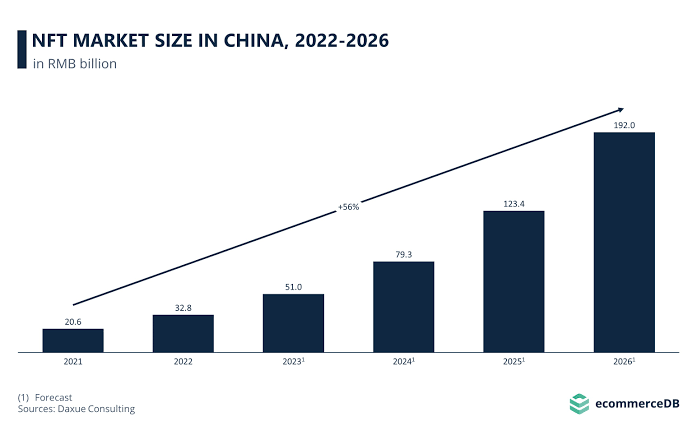
Chinese users have a significant presence in the global NFT market, contributing to trading volumes and participating in international platforms. However, the limitations on trading within China have led many to explore markets outside the mainland.
- Presence in Global Trading Volume
Chinese users have a notable presence in the global NFT market, contributing significantly to overall trading volumes. Despite domestic restrictions on NFT trading, many Chinese collectors and investors participate in international platforms to buy, sell, and trade NFTs.
- The International Platforms
Due to the limitations imposed on domestic NFT platforms, Chinese users often turn to well-known international platforms like OpenSea, Rarible, and NBA Top Shot to engage in NFT transactions. These platforms offer a wider range of NFT categories and the freedom to trade, attracting a significant number of Chinese users.
- The Role of VPNs and Digital Wallets
To bypass domestic restrictions, Chinese users often employ Virtual Private Networks (VPNs) and use digital wallets that are not tied to their real identities. This allows them to participate in the global NFT market more freely, albeit with a certain level of risk due to the regulatory gray area.
- Cultural Influence
Chinese artists and creators are also making their mark on the global NFT scene. From digital art to collectibles inspired by Chinese culture, these NFTs attract both domestic and international buyers, further increasing the share of Chinese users in the global market.
2–5 The Hong Kong Advantage
Hong Kong, with its web3-friendly policies, is emerging as a hub for NFT projects. The Special Administrative Region’s more lenient regulations are expected to boost the growth of NFT projects originating from Hong Kong in the future.
- The Special Administrative Region
Hong Kong, a Special Administrative Region (SAR) of China, operates under a separate legal and financial system from mainland China. Known for its open market policies and a high degree of autonomy, Hong Kong has long been a global financial hub. These unique characteristics make it an attractive location for emerging technologies like web3 and NFTs (Non-Fungible Tokens).
- Regulatory Flexibility
- Access to Global Markets
- The Bridge to Mainland China
- Talent Pool and Innovation
- Investment Opportunities
3. Chinese NFT Projects
3–1 Representative NFT Projects in China
Despite the challenges, some NFT projects have gained traction in China. These often focus on cultural heritage, digital art, and virtual real estate. However, the regulatory landscape has made it difficult for these projects to achieve the same level of success as their global counterparts.
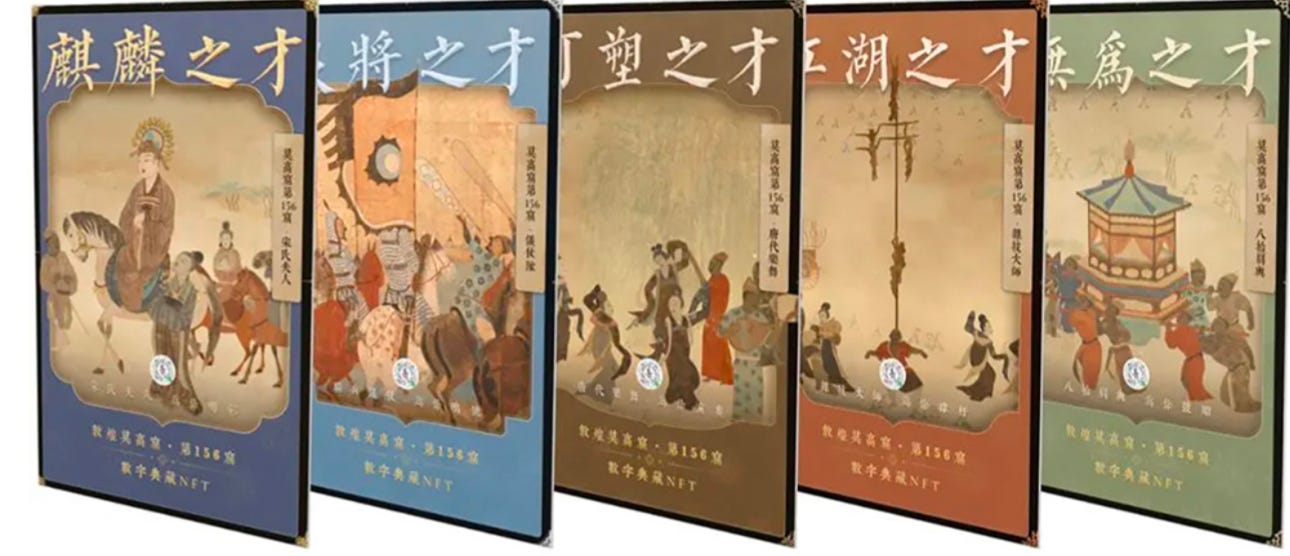
- Cultural Heritage NFTs
One of the most intriguing categories of NFTs in China focuses on cultural heritage. Projects in this space aim to tokenize artifacts, historical documents, and traditional art forms, offering a unique blend of technology and culture. These NFTs serve as digital certificates of authenticity and ownership for cultural assets.
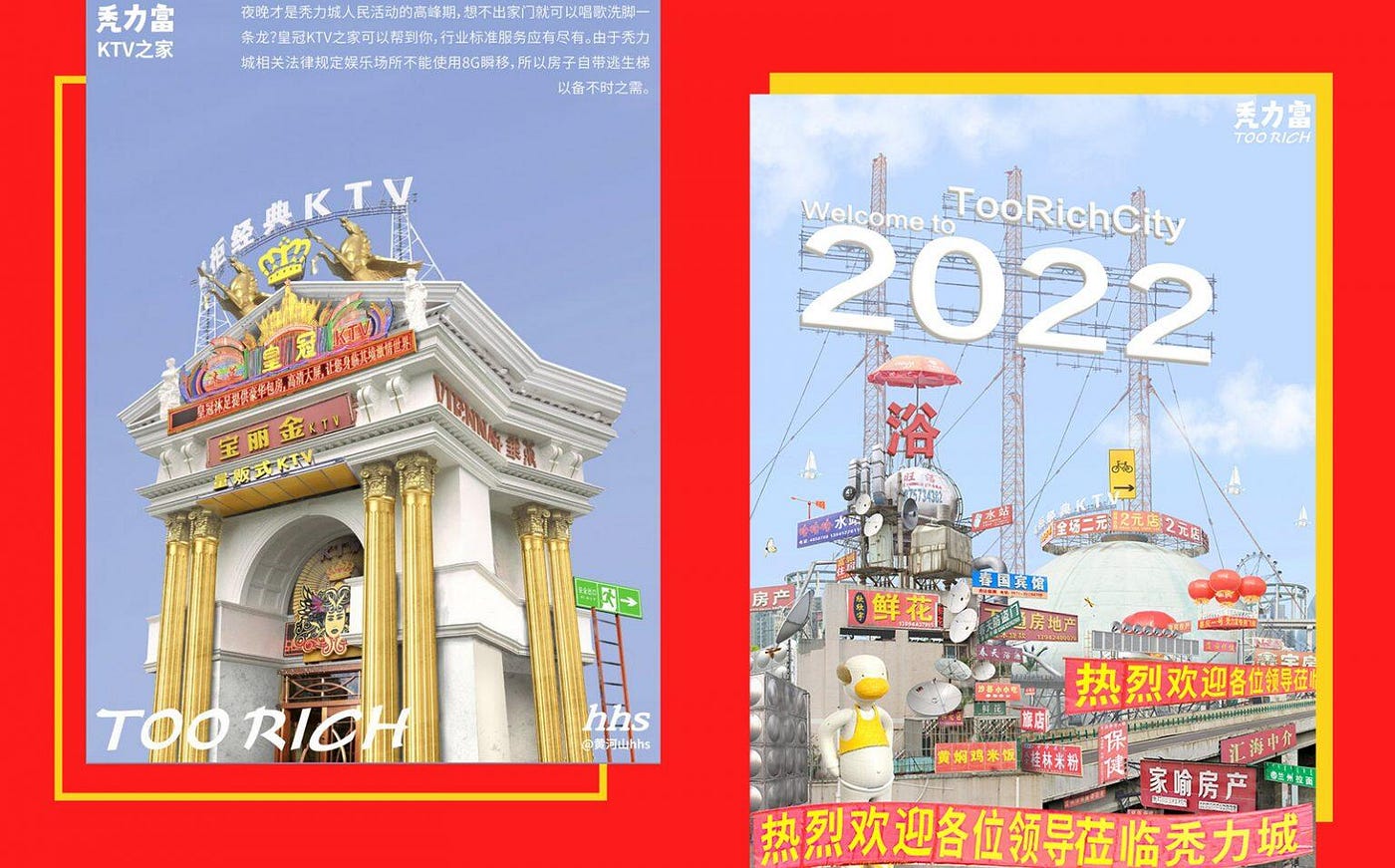
- Digital Art Platforms
Several platforms have emerged that focus exclusively on digital art created by Chinese artists. These platforms often collaborate with established galleries and art institutions, providing a legitimate space for artists to monetize their work through NFTs, known locally as DDCs (Distributed Digital Certificates).
- Virtual Real Estate and Metaverse
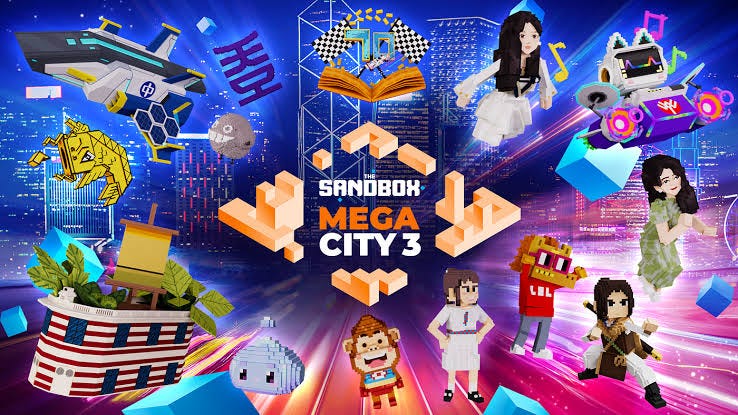
Virtual real estate projects, often part of larger metaverse ecosystems, have gained traction among Chinese users. These projects allow users to buy, own, and develop virtual land, although the trading of these assets is generally restricted due to regulatory constraints.
- Collectibles and Gaming
NFTs have also found a place in the gaming industry in China, where unique in-game assets can be tokenized as NFTs. While these cannot be officially traded, they add a layer of uniqueness and ownership to the gaming experience.
3–2 Mainland Chinese Projects
PhantaBears

Phanta Bear is a Project launched by MandoPop King Jay Chou’s Fashion Brand PHANTACi in partnership with EzekClub (www.PhantaClub.com), Phanta Bear is a limited collection of 10,000 digital collectibles. Each Phanta Bear is unique and randomly generated. By owning a Phanta Bear avatar, you are granted the access to an exclusive club where you could meet with celebrities, playing in metaverse, virtual concert and game.
Cheers Up
Cheers UP is an NFT collection launched by CryptoNatty and BaseLabs as PASS of bilibili web3 ecosystem, each with brewing points and fantastic design.
Yue Minjun
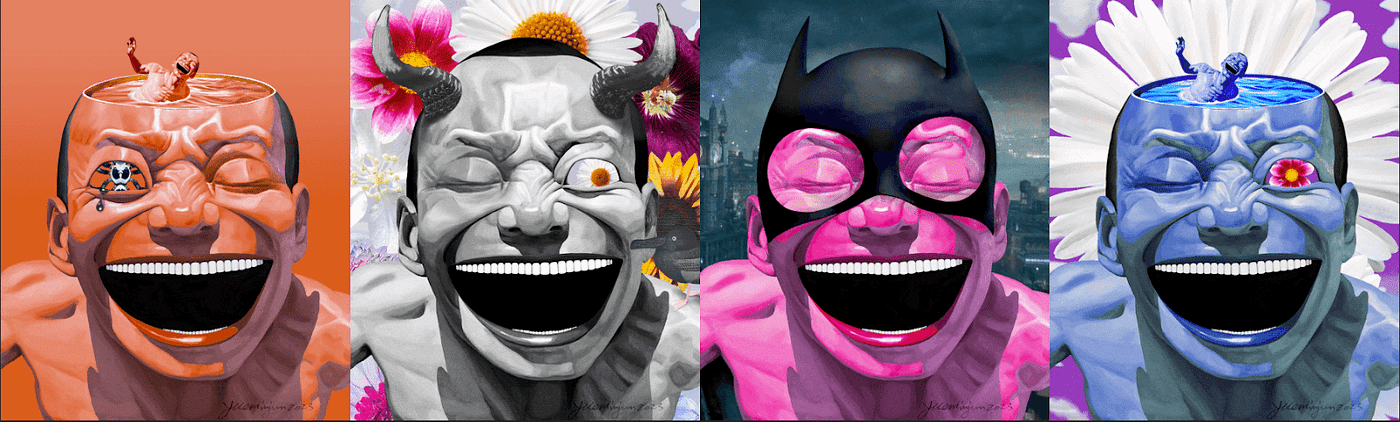
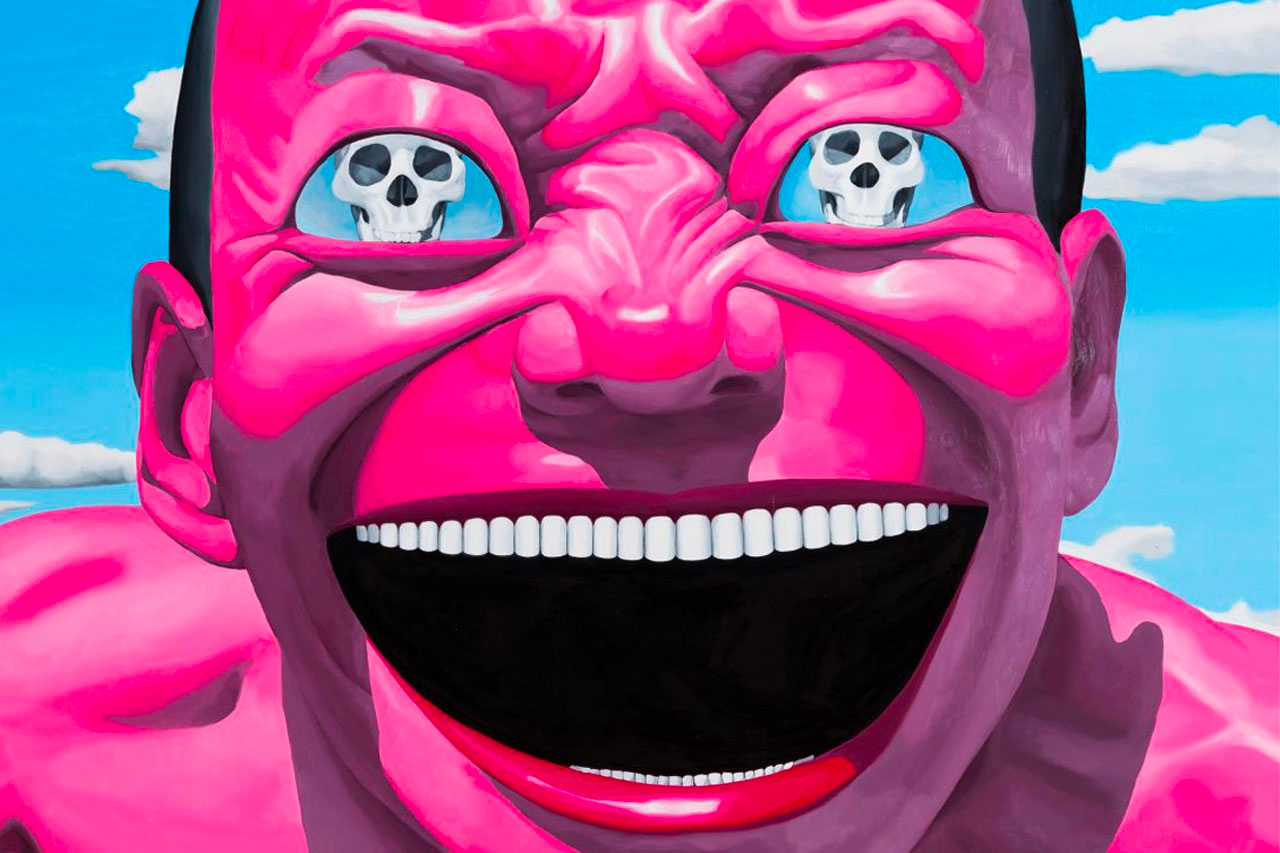
A Project by one of the most prominent blue-chip contemporary artists, made an entry into the web3 arena with an adventurous and groundbreaking multi-chapter project Kingdom of the Laughing Man. This collection’s first drop ‘Boundless’ integrates unique and fun traits in Yue Minjun’s iconic self-portrait style. Each piece breaks tradition, reinterpreting the artist’s work through the prism of blockchain technology. Akin to Andy Warhol’s transformative approach in the ’60s, leveraging industrial production methods and commonplace brands to revolutionize modern art, Yue Minjun employs the crypto-centric “PFP,” or Profile Picture, model. This strategy, often undervalued by traditional art circles, allows for releasing 999 unique 1/1 works, each standing as a vital piece worthy of collection. ‘Boundless’ signifies more than just the first chapter in this extraordinary collection; it triggers a paradigm shift, bringing renowned traditional artists into the web3 space.
3–3 Hong Kong Projects
Memeland

Memeland an NFT Project based in Hong Kong by 9GAG is a collection of 9,999 utility-enabled PFPs. Each Memeland PFP (aka Captain) unlocks private club membership, exclusive access to creator NFT marketplace, IRL events, upcoming 9GAG drops and projects, and more.
YogaPetz

YogaPetz is a Hong Kong based project built by Keungz,combining Yoga and Pets, an NFT project focused on building a web3 Wellness Ecosystem, App & Platform
3–4 Overseas Projects by Chinese Founders
AZUKI
AZUKI is an NFT project that was founded by Chinese creators but operates overseas. The project is known for its unique digital art pieces and collectibles. AZUKI has garnered attention for its innovative approach to NFTs, blending traditional art with modern digital techniques.
Azuki starts with a collection of 10,000 avatars that give you membership access to The Garden: a corner of the internet where artists, builders, and web3 enthusiasts meet to create a decentralized future. The project emphasizes the importance of art and creativity in the NFT space.
4. CONCLUSION
Although China appears to have strict regulations, it is actually very easy for users to purchase NFTs. As a market where fintech is highly developed, everything from cryptocurrency exchange to FT purchase can be done very quickly and easily using mobile payments on smartphones. Despite this unique market environment, China has a strong position and market share in the web3 scene.
China is a huge market. Despite regulations, none of the global blue-chip projects can afford to ignore the Chinese market. China was quick to enter the crypto market. Many of the earliest miners had factories in China and mined Bitcoin, making many millionaires. Many of the founders and team members of top-tier exchanges like Binance, Huobi, and Bitget are also Chinese. The NFT scene is no different. It remains to be seen how many Chinese-born blue chips will be created in the future. However, an influx of Chinese users may be a prerequisite for a project to become a blue-chip project.
WADE and OOZ have targeted the global market from the beginning, but their awareness is still low in the Chinese market. However, IPX’s characters have already gained enormous popularity in China through goods, offline stores, and IP exhibitions. Through OOZ and WADE, we will once again achieve a leap forward in the Greater China region.
Author: MarkPrince, CRIPCO CM