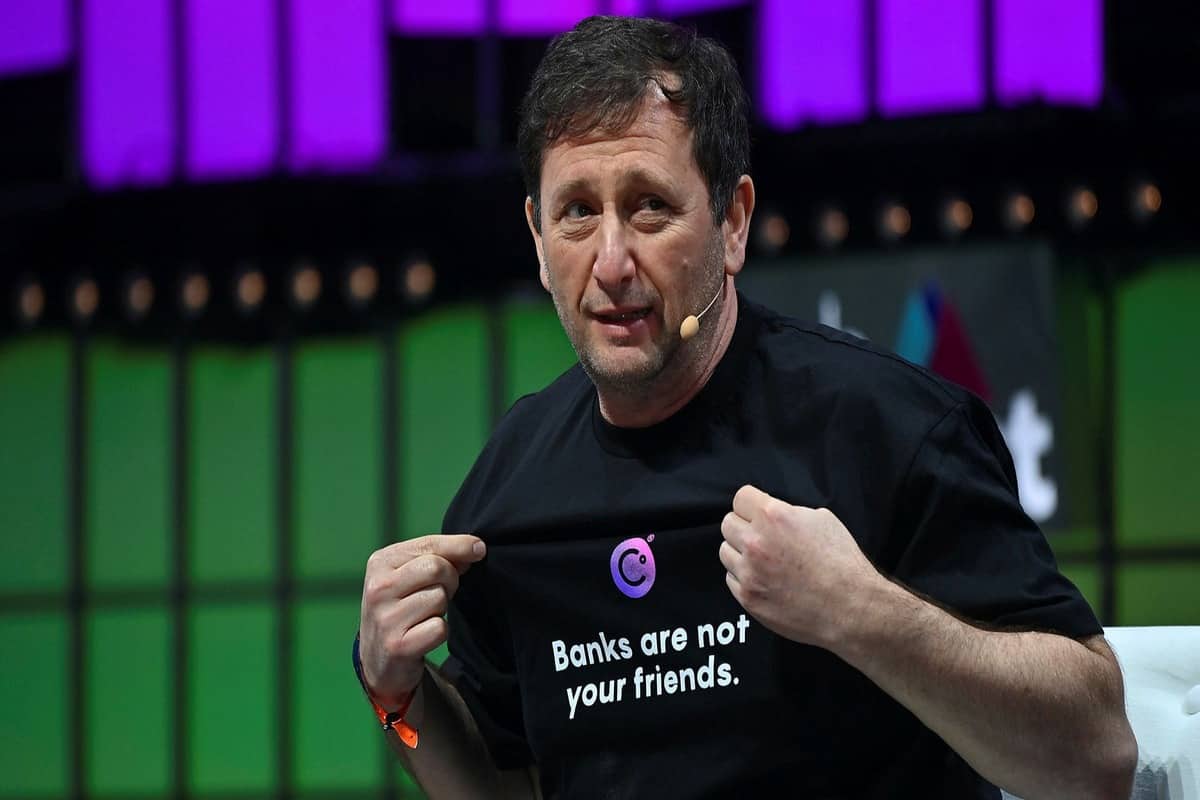

A federal court in New York has frozen the assets of Alexander Mashinsky, the former CEO of the now-bankrupt crypto lender Celsius Network. This development came to light on September 5, when documents revealing the restraining order were unsealed. Besides real estate holdings, the order targets several bank accounts linked to Mashinsky and associated entities.
Celsius Ex-CEO Assets Freeze by Court
The restraining order is part of an extensive investigation into Mashinsky’s purported misconduct. Moreover, it follows his arrest in July on fraud charges filed by the U.S. Securities and Exchange Commission (SEC).
Mashinsky had stepped down from his role at Celsius in September 2022. He cited that his position had become an “increasing distraction” as the company faced severe financial difficulties. Celsius declared bankruptcy last year during a market downturn that rattled the entire crypto sector. Hence, the court permitted the firm to convert its altcoin holdings into Bitcoin and Ethereum to stabilize its financial standing.
Celsius CEO Mashinsky Fights Back
Mashinsky has, however, vehemently denied the charges aiming to vigorously defend his reputation and legacy in court. After his release on a $40 million bail, his attorney Jonathan Ohring announced that his client categorically rejects all allegations..
Recommended Articles
Crypto Presale Projects For 2023 To Invest; Updated List Must Read  Best Crypto Trading Bots List 2023 Must Read
 Top Crypto Marketing Firms / Agencies 2023; Here’s Best Picks [Updated] Must Read
 Crypto Telegram Channels List 2023 [Updated] Must Read
 Top 10 Web3 Games To Explore In 2023; Here List Must Read
Additionally, U.S. regulators, including the SEC and the Commodity Futures Trading Commission, are cracking down on fraud in the crypto industry. This enforcement surge comes from several high-profile collapses and mounting public concern about the adequacy of existing laws and oversight.
The Federal Trade Commission had also imposed a $4,7 billion fine on Celsius but suspended it to enable the platform to use its assets during bankruptcy proceedings.
However, the asset freeze raises new concerns about the future of both Mashinsky and the broader crypto sector. This case is one to watch, as it may set precedents for how legal systems interact with the rapidly evolving field of cryptocurrencies.