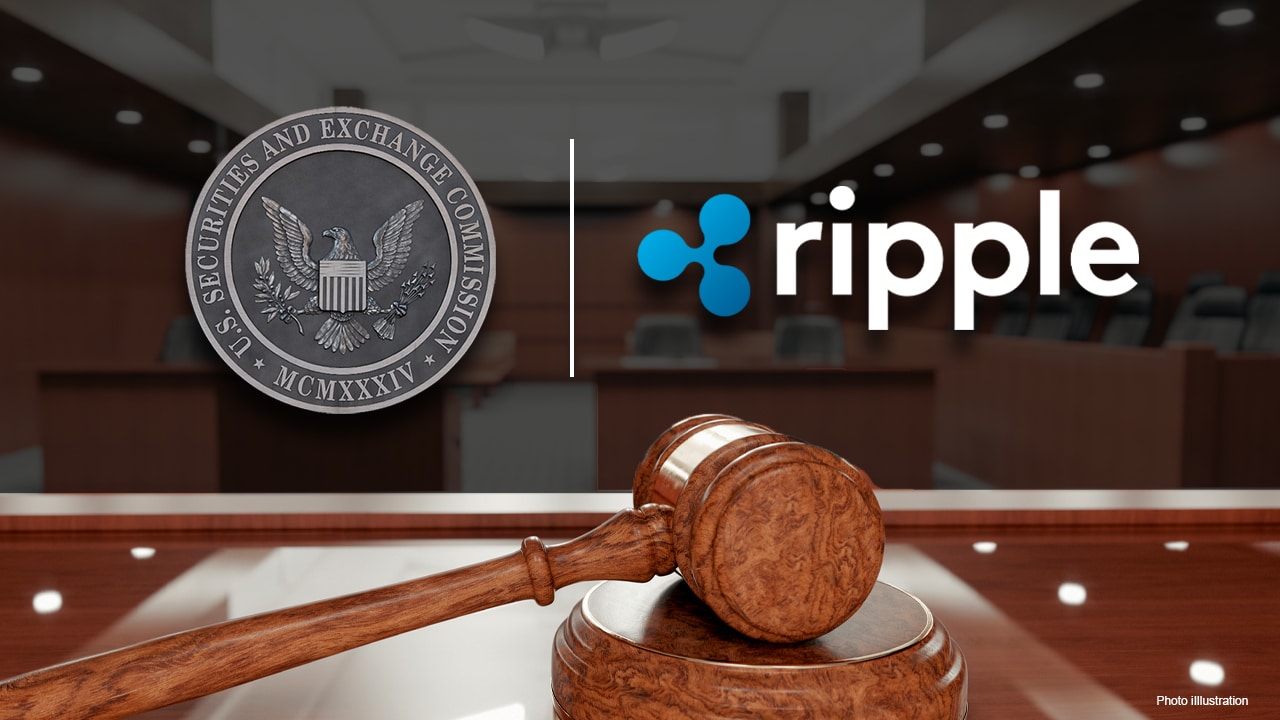

Ripple Labs Inc., joined by its top executives Brad Garlinghouse and Christian A. Larsen, has staunchly opposed the Securities and Exchange Commission (SEC)’s efforts to certify an interlocutory appeal, as revealed by Eleanor Terrett, a Fox Business reported. This case could be instrumental in defining the regulatory contours of the U.S. cryptocurrency space, mainly focusing on classifying Ripple’s digital asset, XRP, as an investment contract or otherwise.
Read More: XRP Price Prediction Begins Bullish Action, Path To $1 Clear?
Recommended Articles
Crypto Presale Projects For 2023 To Invest; Updated List Must Read  Best Crypto Trading Bots List 2023 Must Read
 Top Crypto Marketing Firms / Agencies 2023; Here’s Best Picks [Updated] Must Read
 Crypto Telegram Channels List 2023 [Updated] Must Read
 Top 10 Web3 Games To Explore In 2023; Here List Must Read
Understanding Ripple’s Opposition
In pushing for an interlocutory appeal, US SEC predicates its move on the assertion that the Ripple case raises legal questions that have ramifications for the entire digital asset spectrum. Ripple’s rebuttal is multi-pronged;
Ripple has aligned with individual defendants in objecting to the SEC’s call for a stay, emphasizing that the SEC hasn’t substantiated its grounds for such an action.
US SEC’s Regulatory Jigsaw Puzzle
According to a Sept 1 filing, the SEC embarked on the enforcement action in December 2020, asserting that most of Ripple’s transactions related to XRP for eight years should be seen through the lens of investment contracts.
However, Ripple, along with Garlinghouse and Larsen, believes that the SEC’s pursuit of this case is emblematic of its strategy of selectively regulating the U.S. crypto industry. They underscore the central point of contention: whether the Howey test applies to Ripple’s distinct operational circumstances. From their vantage point, the SEC seems to be recalibrating its “litigation positions” based on its goals, which they argue deviates from genuine commitment to legal standards.
As Ripple takes on the SEC in this legal maelstrom, the implications of this battle will undoubtedly reverberate across the cryptocurrency industry. Clarity, or lack thereof, in regulations, could set the tone for how digital assets are perceived and traded in the future.